Gallery Four · EW · IV
Why It Happens
The research.
Rooms in this gallery
- 01 The Evidence Table
- 02 The Research Library
- 03 Inside the Work
Room Two · The Evidence Table
The research didn't cause the pattern. It named it.
Why do these same behaviors keep appearing?

The investigation began with observation. The research below helps explain why those same patterns appear again and again.
Research Finding 01
Teacher Clarity
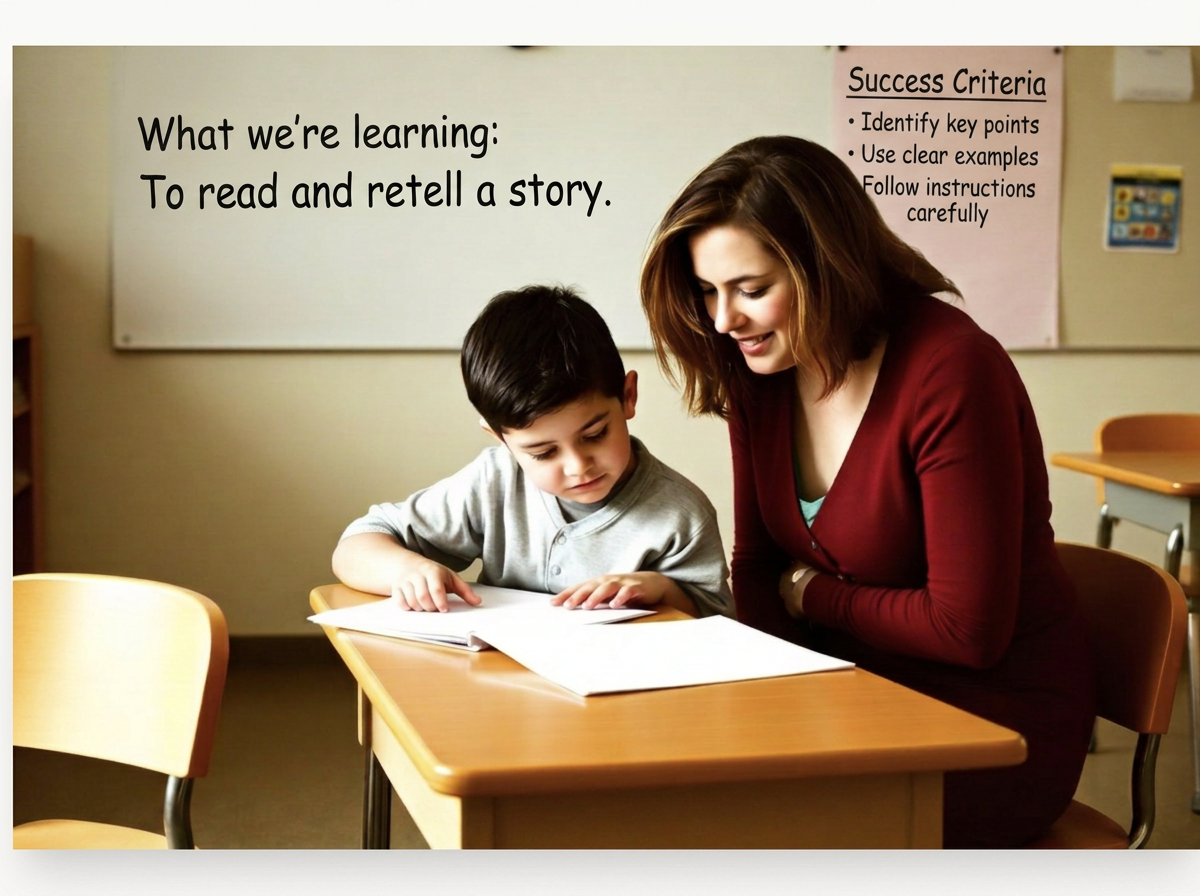
Learning intentions and success criteria posted, and referenced during the lesson. When students can say what they are learning and what success looks like, learning accelerates.
Research Finding 02
Collective Teacher Efficacy
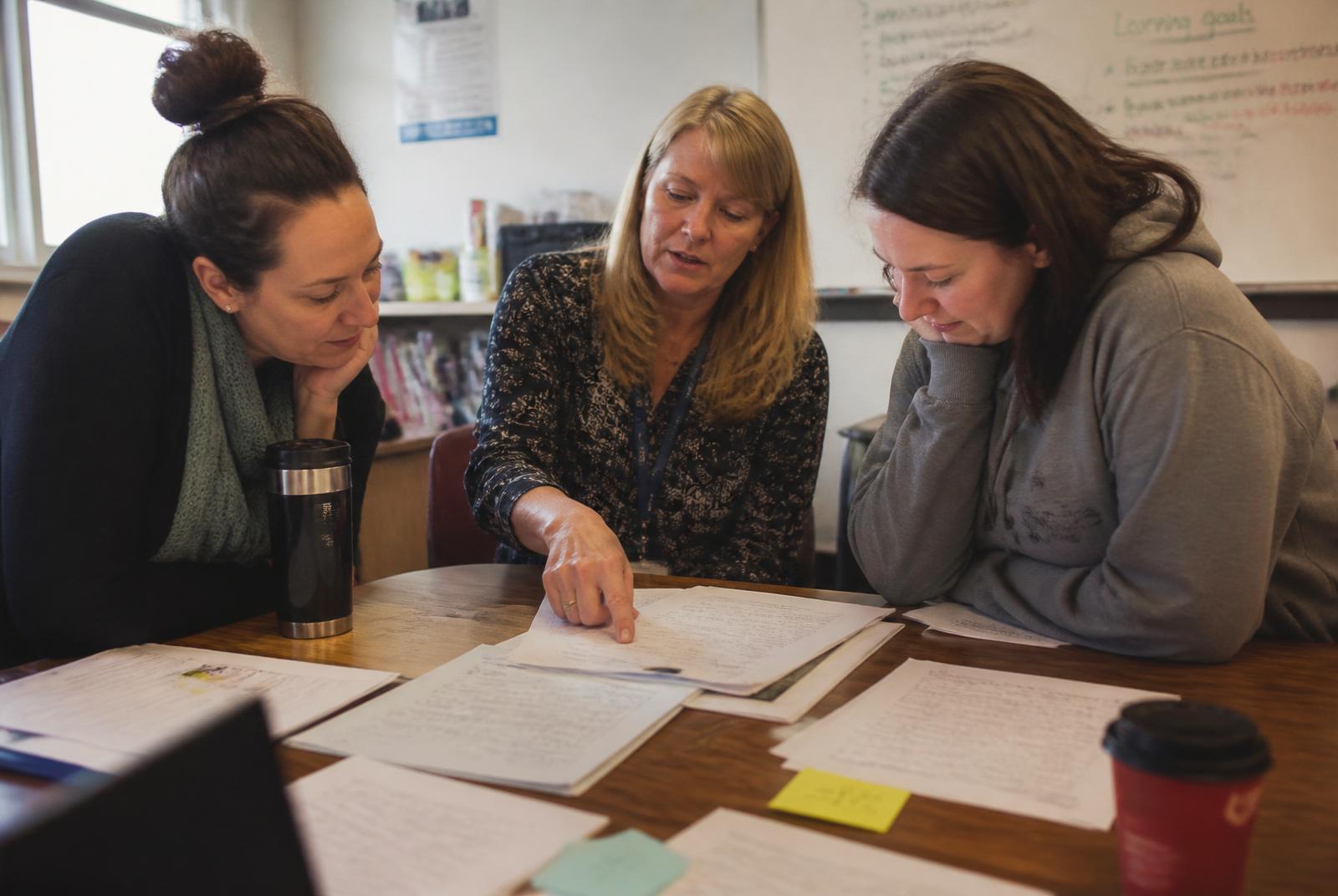
Teachers around a table, looking at the same student work. A staff's shared belief that together they can move learning is among the strongest influences recorded.
Research Finding 03
Feedback

A teacher conferring with one student about the next step. Feedback works when it answers where the learner is going and what to do next — not how well they did.
Research Finding 04
Assessment
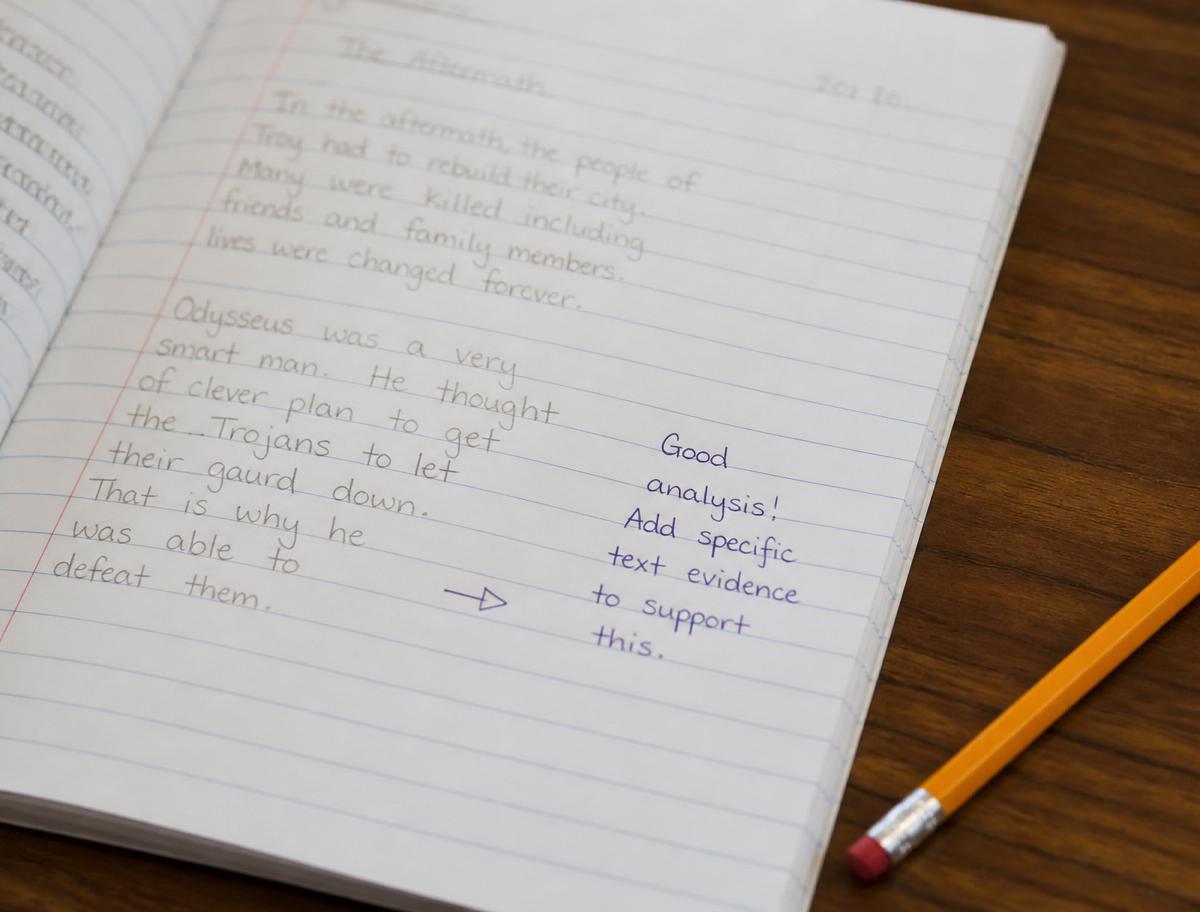
Student work annotated with what comes next, not a score. Assessment is most powerful when it changes the next lesson rather than reporting the last one.
Research Finding 07
Coherence
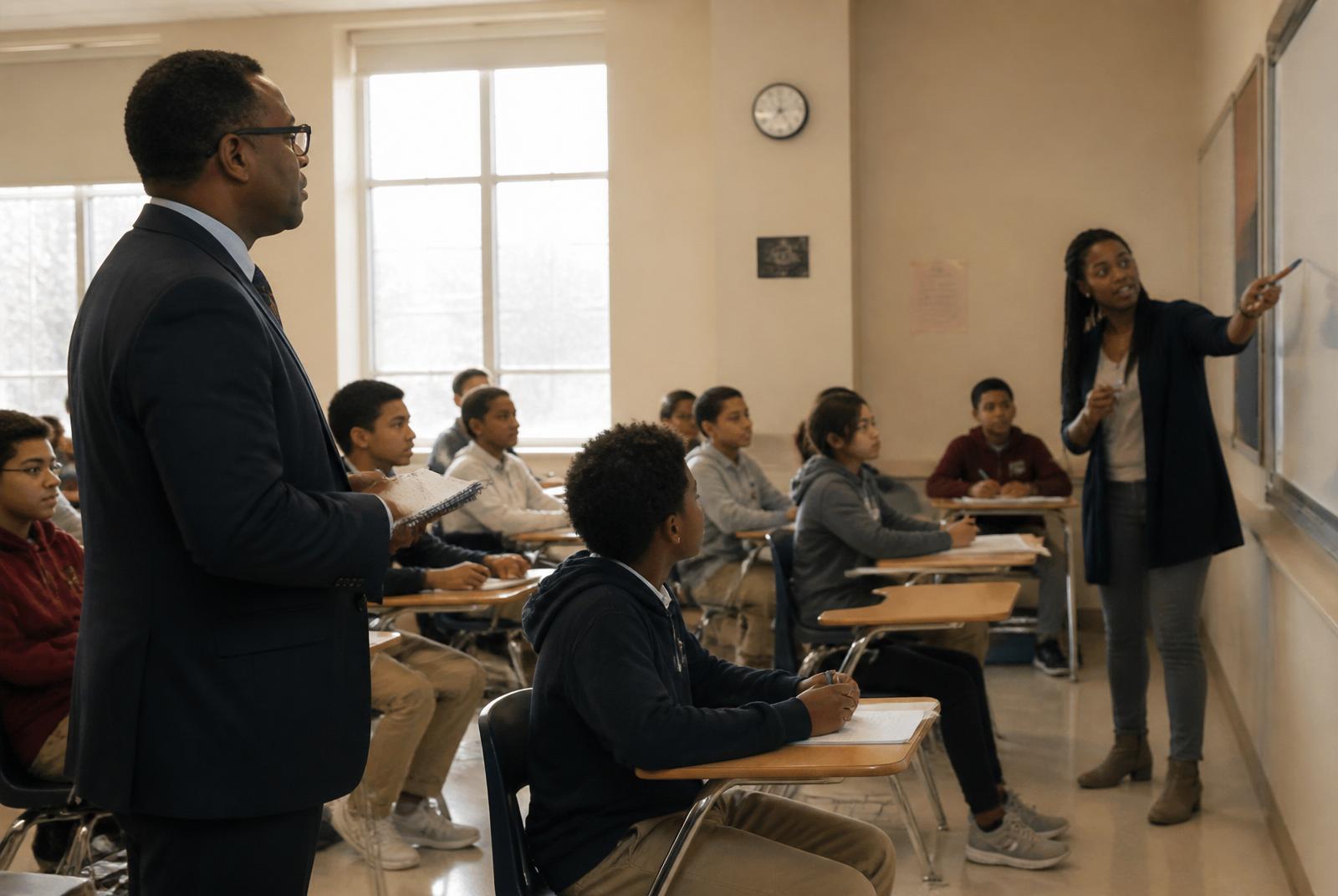
A principal and a teacher working from the same document. Coherence is a shared understanding of the work — it cannot be produced by another initiative.
View the complete research library
Research Finding 05
Professional Learning
Sustained, job-embedded learning changes practice. One-day events rarely do.
Research Finding 06
Collaborative Expertise
Expertise grows fastest when teachers study their own impact together, in structured time.
None of this is new. It's simply rarely done together — and rarely held long enough to matter.
From Research to Practice
The research identified the pattern. The classrooms show what that pattern looks like when people begin living it.

Room Three · Inside the Work
This is what it looks like on a Tuesday.
What does the pattern actually look like?
Learning intentions & success criteria
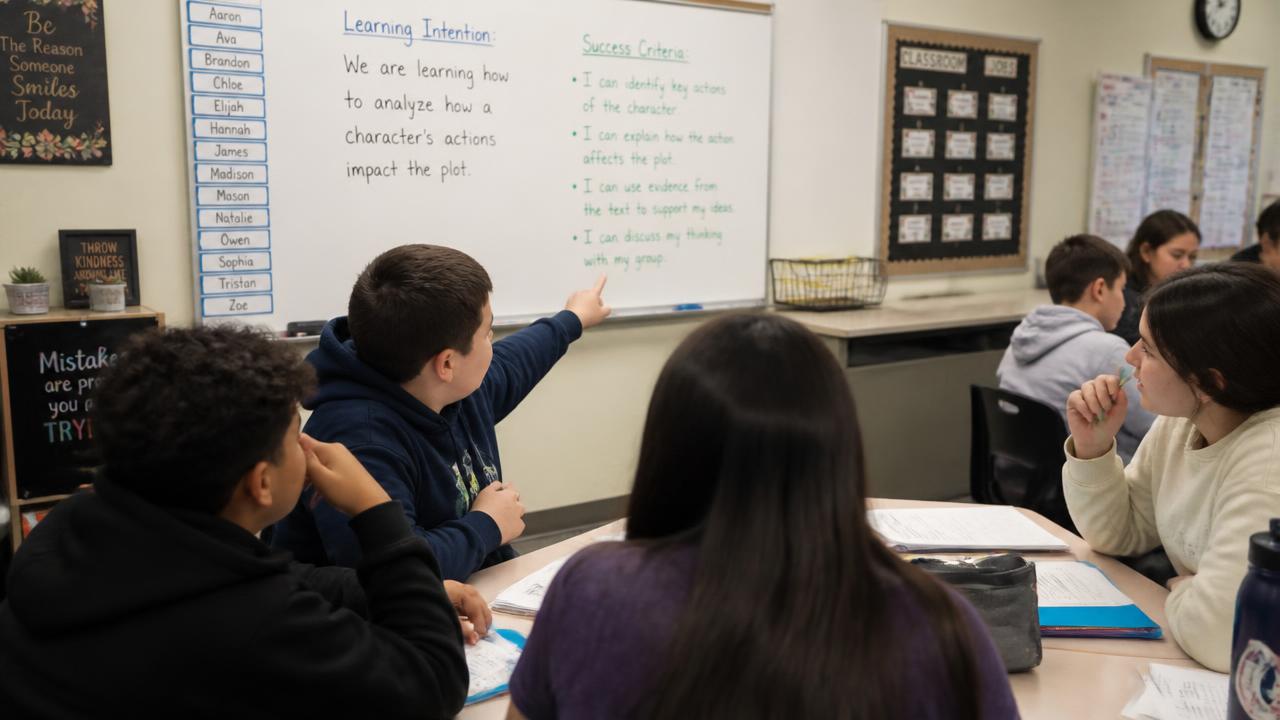
Success criteria, in the room
Team meeting agenda
Conferring with a learner
Observed during the investigation

Students talking about learning
Walkthrough, on a schedule
End of day
Nothing here is expensive. Almost all of it is a decision about time.